Renewable Energy in New Zealand: Navigating Conflicts in History
Category : |
Sub Category : Posted on 2024-10-05 22:25:23
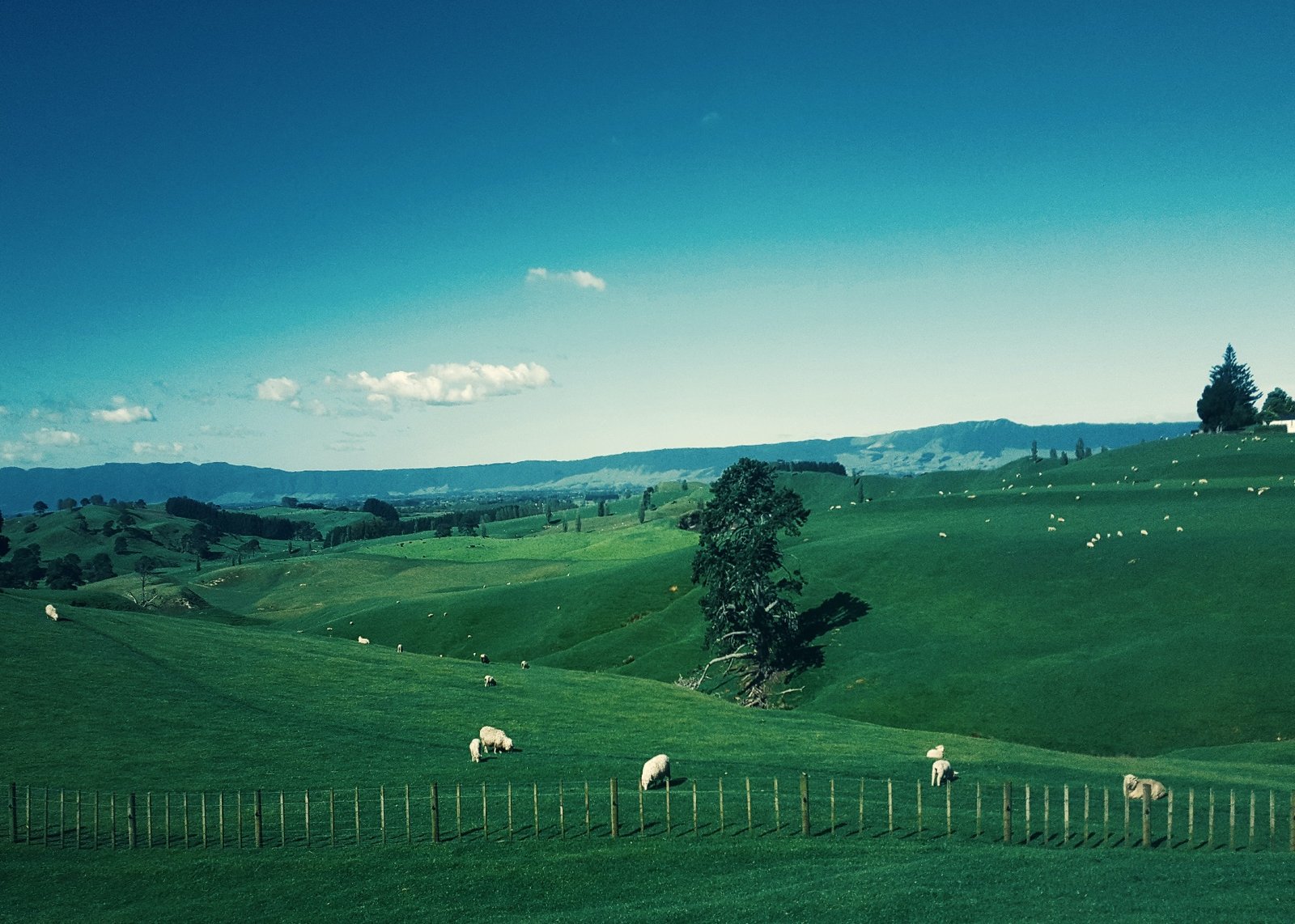
New Zealand is known for its stunning landscapes, pristine environment, and strong commitment to sustainability. In recent years, there has been a growing emphasis on transitioning to renewable energy sources to reduce greenhouse gas emissions and combat climate change. However, the journey towards a clean energy future in New Zealand has not been without its challenges and conflicts, many of which are rooted in the country's history. The history of conflicts related to renewable energy in New Zealand can be traced back to the exploitation of natural resources by early European settlers. The arrival of colonizers in the 19th century led to the rapid deforestation of native forests and the construction of hydroelectric dams to power growing industries. While these developments brought economic prosperity, they also had devastating impacts on the environment and indigenous communities. One of the key conflicts in New Zealand's history is the struggle for the rights of Māori, the indigenous people of the land, in relation to resource management and environmental conservation. Māori have long advocated for greater involvement in decision-making processes around land use, water rights, and energy development. The government has acknowledged the importance of incorporating Māori values and perspectives into renewable energy projects, but tensions persist over issues of ownership, control, and consultation. Another challenge facing the renewable energy sector in New Zealand is the debate over the use of hydroelectric power versus other sources such as wind, solar, and geothermal energy. While hydroelectric dams have provided a significant portion of the country's electricity for decades, there are concerns about their environmental impact, including habitat disruption, fish migration barriers, and greenhouse gas emissions from decomposing vegetation in reservoirs. In recent years, the New Zealand government has taken steps to promote a more diverse and sustainable energy mix, including investing in wind farms, solar installations, and geothermal plants. These developments have sparked both optimism and opposition within local communities, with discussions focusing on issues of visual impact, noise pollution, land rights, and economic benefits. Despite the conflicts and challenges, there is a growing recognition in New Zealand that renewable energy is essential for achieving a low-carbon future and ensuring energy security for generations to come. By engaging in open dialogue, respecting diverse perspectives, and embracing innovative solutions, the country can overcome historical tensions and build a more sustainable and inclusive energy landscape. In conclusion, the transition to renewable energy in New Zealand is not just about harnessing natural resources; it is also about reconciling past injustices, honoring indigenous knowledge, and reimagining the relationship between people and the environment. By learning from history and working together towards a common goal, New Zealand has the opportunity to lead the way in sustainable energy development and set a positive example for the rest of the world. For valuable insights, consult https://www.keralachessyoutubers.com
https://sunpowerpanels.com
https://refueling.net


