New Zealand and Slovenia: A Comparison of Political Systems
Category : |
Sub Category : Posted on 2024-10-05 22:25:23
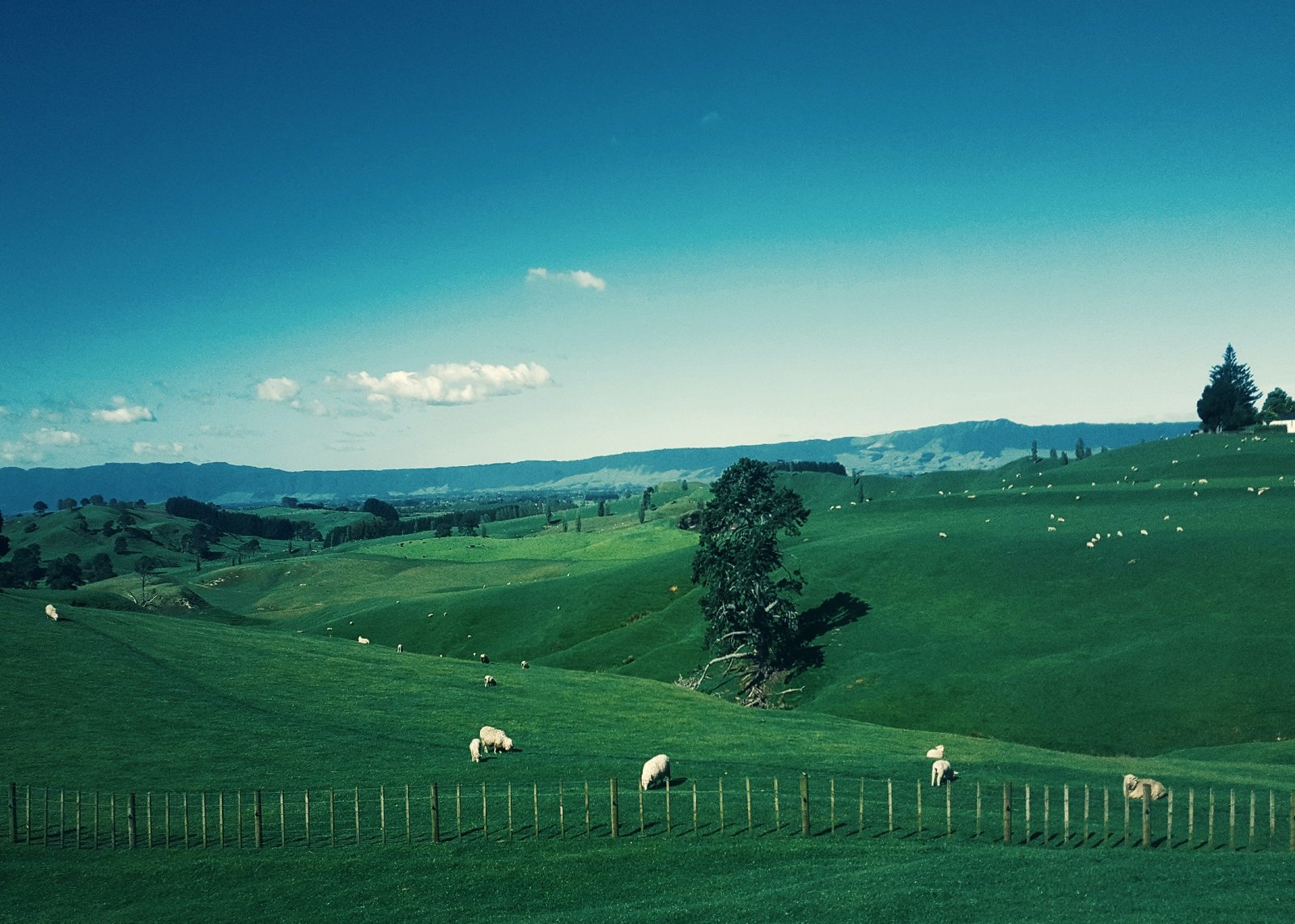
New Zealand and Slovenia are two countries that may not often be compared in terms of their political systems, as they are located on opposite sides of the globe and have unique histories and cultures. However, both countries provide interesting insights into different models of governance and democracy. New Zealand is known for its stable and well-established parliamentary system. The country operates as a constitutional monarchy with a parliamentary democracy, where the monarch is the head of state but with mostly ceremonial powers. The actual political power rests with the elected representatives in the Parliament, led by the Prime Minister. New Zealand has a unicameral legislature, meaning it has only one house of Parliament, making the legislative process more streamlined compared to countries with bicameral systems. On the other hand, Slovenia, a relatively young country that gained independence in 1991 after the dissolution of Yugoslavia, operates as a parliamentary republic. The President of Slovenia is the head of state and is elected by popular vote, while the Prime Minister is the head of government and is appointed by the President with the approval of the National Assembly. Slovenia has a bicameral legislature, consisting of the National Assembly and the National Council, which represent the interests of different regions and social groups. In terms of electoral systems, both New Zealand and Slovenia use a proportional representation system. However, New Zealand has adopted the Mixed Member Proportional (MMP) system, which combines elements of both the first-past-the-post and proportional representation systems. This system aims to achieve a more proportional distribution of seats in Parliament while ensuring that all regions are represented. Slovenia, on the other hand, uses a pure proportional representation system for electing members to the National Assembly. When it comes to political culture, both countries have a strong tradition of political participation and civic engagement. New Zealand is known for its high voter turnout rates in elections, as well as its active civil society organizations that advocate for various social and environmental issues. Similarly, Slovenia has a vibrant civil society sector that plays an important role in shaping public policies and holding the government accountable. In conclusion, while New Zealand and Slovenia have distinct political systems and histories, they both demonstrate a commitment to democratic values and principles. By comparing and contrasting these two countries, we can gain a better understanding of the diversity of political systems around the world and the different ways in which democracy can be practiced. Take a deep dive into this topic by checking: https://www.mimidate.com Explore this subject further for a deeper understanding. https://www.cotidiano.org also for more https://www.topico.net You can find more about this subject in https://www.enemigo.org


