Exploring the Rich Wildlife and Conservation Efforts of Pakistan and New Zealand
Category : |
Sub Category : Posted on 2023-10-30 21:24:53
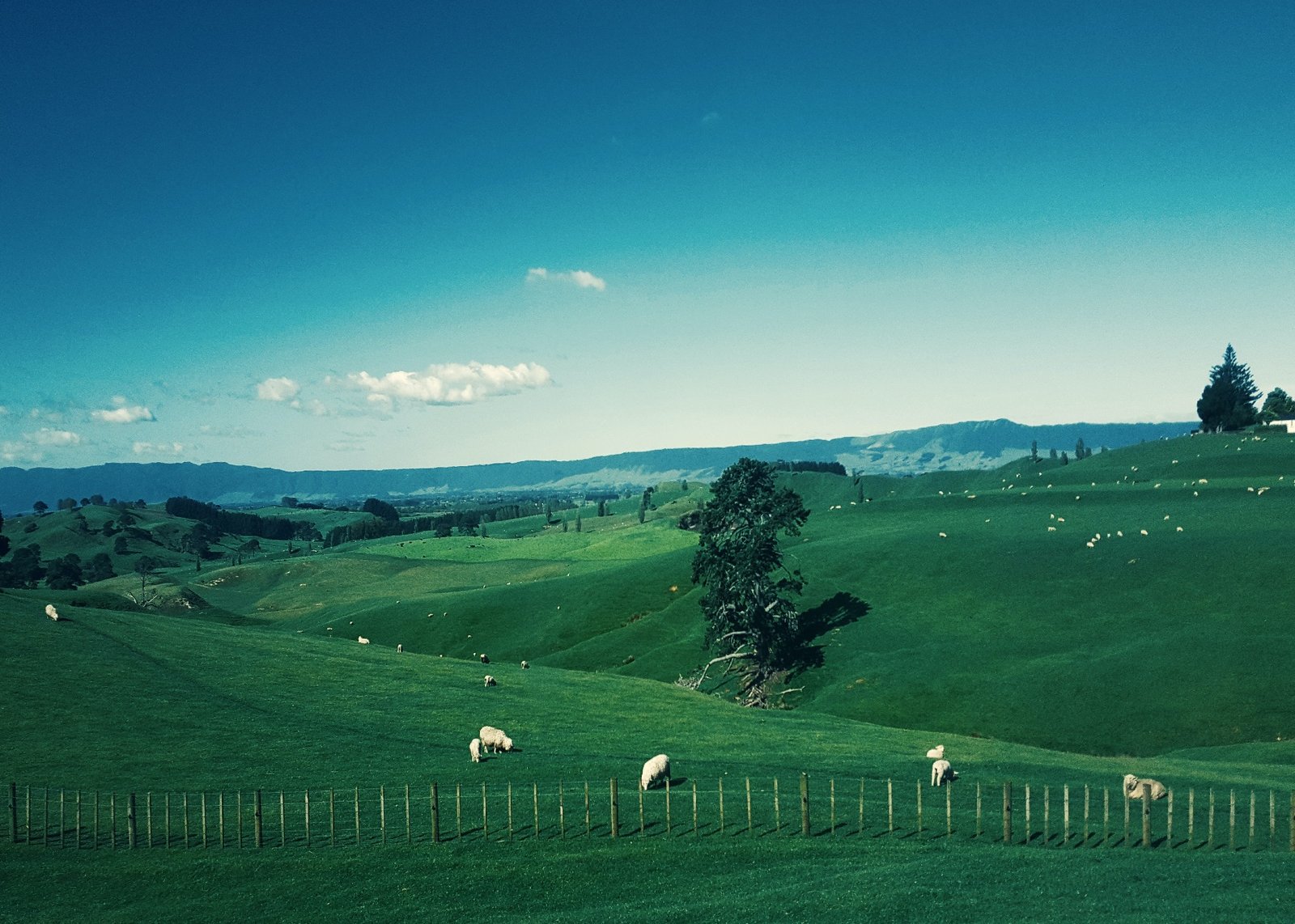
Introduction: Pakistan and New Zealand may be geographically distant, but both countries share a deep passion for wildlife and a commitment to conservation. In this blog post, we will delve into the diverse wildlife found in Pakistan and New Zealand, as well as their respective conservation efforts. Pakistan's Wildlife: Pakistan is blessed with an incredible variety of ecosystems, ranging from mountain ranges to coastal areas, all supporting a wide array of wildlife. The country is home to some iconic species, including the endangered Snow Leopard, Markhor (a majestic species of wild goat), and the Indus River Dolphin. The Chitral Gol National Park, Ayubia National Park, and the Hingol National Park are just a few of the numerous protected areas that harbor these magnificent creatures. Conservation Efforts in Pakistan: Recognizing the importance of preserving biodiversity, Pakistan has made significant strides in conservation efforts. The Wildlife Conservation Strategy of Pakistan aims to protect and manage the country's natural resources, while the Gilgit-Baltistan Wildlife (Protection, Preservation, Conservation, and Management) Act has been enacted to ensure sustainable wildlife management and safeguard endangered species such as the Snow Leopard. Community-based conservation initiatives, such as the Khunjerab National Park Conservation and Development Program, have engaged local communities in conserving wildlife and their habitats. These efforts have not only helped protect endangered species but have also promoted ecotourism, benefiting local economies. New Zealand's Wildlife: New Zealand is renowned for its unique and diverse wildlife, which evolved in isolation due to its geographical isolation. The country boasts a rich array of endemic species, including the iconic kiwi bird, the agile kea parrot, and the royal albatross. The country's pristine forests, volcanic landscapes, and marine habitats provide a haven for these remarkable creatures. Conservation Efforts in New Zealand: New Zealand has a strong commitment to conservation, with a variety of measures in place to protect its precious wildlife. The Department of Conservation (DOC) plays a central role in managing and safeguarding the country's natural heritage. The DOC oversees over 8,700 reserves, including national parks, marine protected areas, and wildlife sanctuaries. Notably, New Zealand has implemented predator-free initiatives, such as the ambitious goal to eradicate possums, stoats, and rats by 2050. This proactive approach aims to restore the natural balance and protect vulnerable native species. Additionally, efforts like the Kiwi Recovery Program have been instrumental in conserving these unique birds and increasing their population. Collaborative projects between the government, conservation organizations, and community groups have played a crucial role in conserving New Zealand's unique wildlife. The Whanganui River, Fiordland, and Tongariro National Parks are just a few examples of protected areas where conservation efforts are actively supported. Conclusion: Pakistan and New Zealand may have distinct wildlife and diverse habitats, but both countries are united in their commitment to preserving their natural heritage. From the rugged mountains of Pakistan to the enchanting landscapes of New Zealand, the efforts to protect and conserve wildlife underline the importance of safeguarding our planet's biodiversity. By continuing these conservation efforts, both countries offer hope for the survival and thriving of their unique wildlife species for generations to come. Want a deeper understanding? http://www.uurdu.com


