Ontology in New Zealand Ceremonies: Exploring the Cultural Significance
Category : |
Sub Category : Posted on 2024-10-05 22:25:23
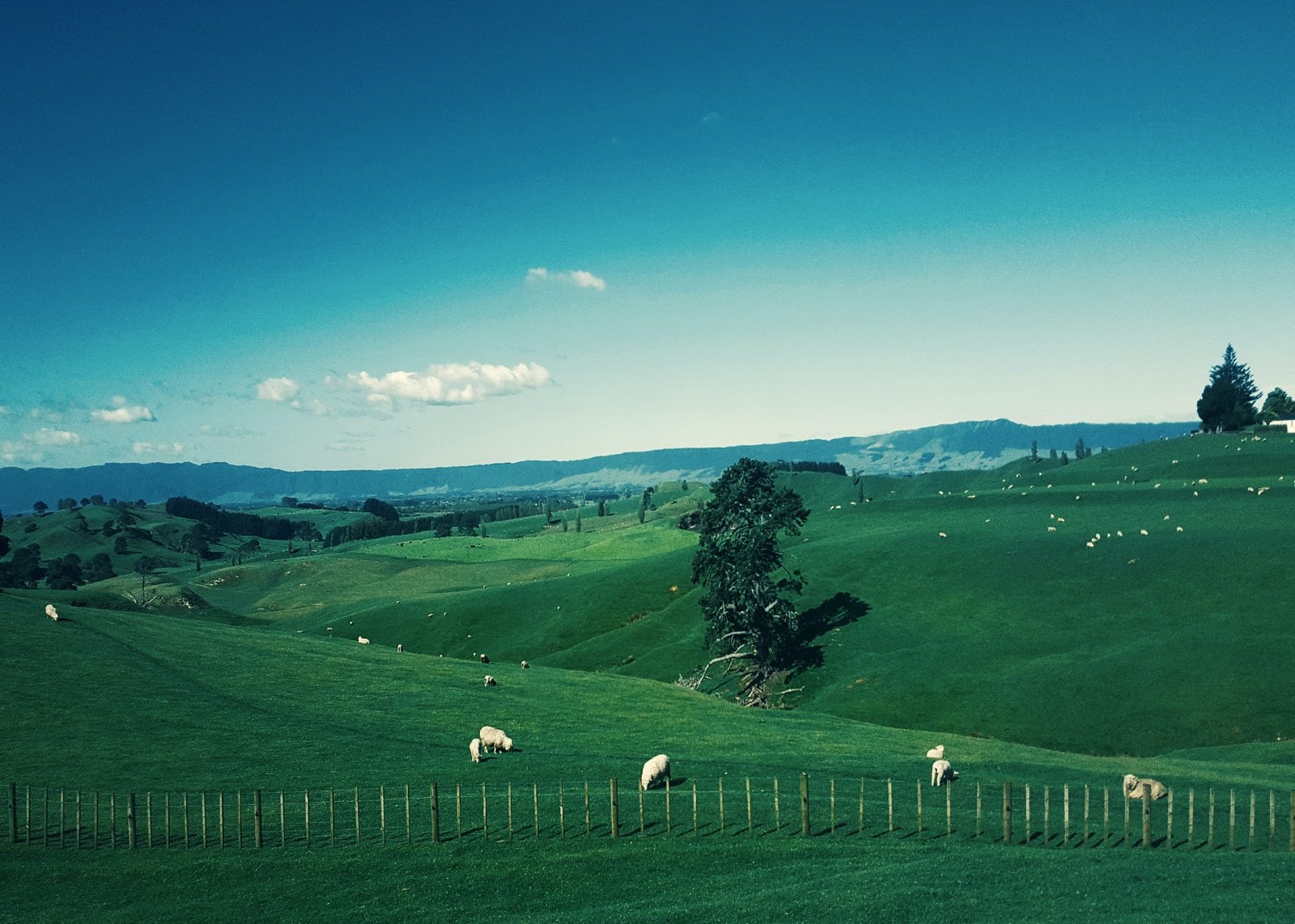
ontology, the branch of philosophy that deals with the nature of being, is deeply intertwined with cultural practices around the world. In New Zealand, ceremonies hold a significant place in the cultural fabric of the indigenous Māori people, reflecting their ontological beliefs and values. Māori ceremonies are rich with symbolism, traditions, and rituals that connect individuals to their ancestors, the land, and the spiritual realm. These ceremonies are grounded in the Māori worldview, which sees all elements of the natural world as interconnected and imbued with a life force known as mauri. This ontological belief shapes the way Māori approach ceremonies and highlight their connection to the land and their ancestors. One of the most well-known Māori ceremonies is the powhiri, a traditional welcoming ritual that takes place when visitors arrive at a marae, a communal meeting place. The powhiri involves a series of formal protocols, including speeches, songs, and the sharing of food, all performed to acknowledge the mana (prestige) of both the visitors and the hosts. This ceremony is not just a social custom; it is a reflection of the Māori ontology that emphasizes the interconnectedness of people, the land, and the spiritual world. Another important Māori ceremony is the tangi, a funeral ritual that allows individuals to mourn the deceased, celebrate their life, and release their spirit to the afterlife. The tangi involves a series of rituals, including wailing, speeches, and the sharing of stories about the deceased. Through these rituals, the Māori honor the life of the departed and acknowledge the continuation of their spirit in the spiritual realm, reflecting their ontological belief in the ongoing connection between the living and the dead. In addition to these traditional ceremonies, contemporary Māori also incorporate ontological principles into modern events and celebrations. For example, the use of karakia (prayers) and waiata (songs) in formal events demonstrates the enduring relevance of Māori ontology in shaping cultural practices today. Overall, the ceremonies of New Zealand offer a fascinating glimpse into the ontological beliefs and values of the Māori people. By exploring the significance of these ceremonies, we can gain a deeper understanding of the interconnectedness of all beings and the profound respect that the Māori have for their ancestors, the land, and the spiritual world.


