Exploring New Zealand: What Do Cows Eat in the Land of the Long White Cloud?
Category : |
Sub Category : Posted on 2023-10-30 21:24:53
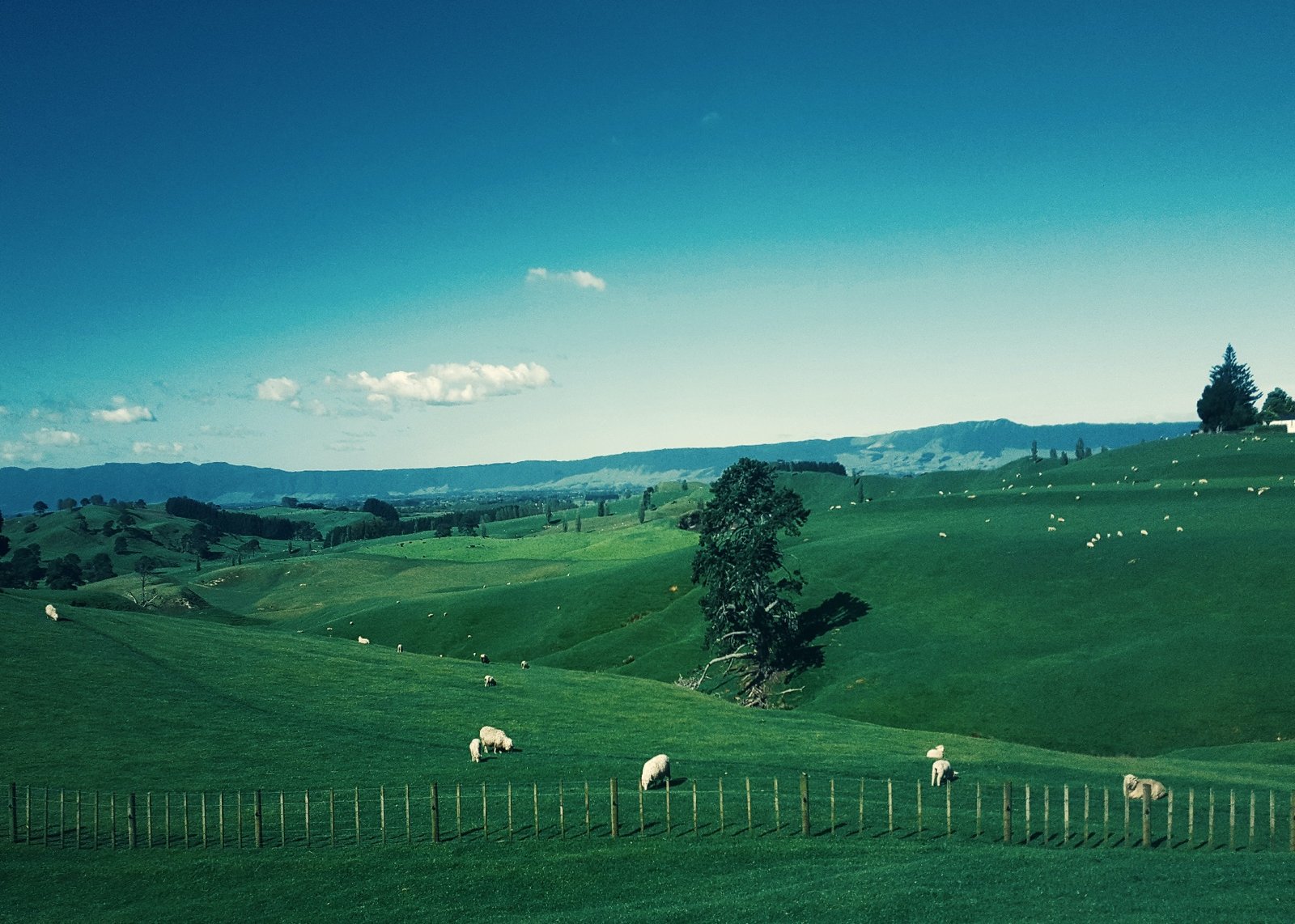
Introduction: New Zealand is a breathtaking country renowned for its stunning landscapes, fascinating wildlife, and vibrant agricultural industry. In this land of fertile pastures, it's no surprise that the country is home to a significant number of dairy cows. These cows enjoy a diet that is quite unique to New Zealand. Today, we will delve into what these iconic animals eat and how it contributes to the country's thriving dairy industry. Grass, the Mainstay of a Cow's Diet: Grass is the primary source of nutrition for cows in New Zealand. The country's mild climate, combined with abundant rainfall and fertile soil, makes it an ideal environment for growing lush pastures. As a result, cows in New Zealand enjoy a predominantly grass-based diet. They graze on a variety of grass species such as ryegrass, fescue, and clover. The high-quality pastures contribute to the exceptional taste and nutritional value of New Zealand dairy products. Supplementary Feeds: While grass forms the foundation of a cow's diet in New Zealand, supplementary feeds are also given to enhance their nutritional intake. These feeds are usually provided during specific seasons or to meet specific requirements. Common supplementary feeds include maize silage, grass silage, hay, and palm kernel expeller (PKE). Maize silage and grass silage are fermented crops harvested from maize and grass, respectively. These silages help provide cows with extra energy and nutrients. Hay, on the other hand, is typically given during the winter months when fresh pasture growth is limited. PKE, sourced from palm kernel, is used sparingly as a supplementary feed due to its high-fat content. Pasture Management: New Zealand boasts a well-developed pasture management system, ensuring that cows have access to fresh, healthy grass year-round. Farmers focus on rotational grazing, where cows are moved to different paddocks to allow the pasture to rest and regrow. This rotational grazing system not only ensures optimal utilization of the available resources but also promotes healthy and sustainable farming practices. The Benefits of a Grass-Based Diet: The unique diet of New Zealand's cows contributes to the impressive quality of dairy products the country is known for. A grass-based diet has various benefits, both for the cows and the consumers. The high nutrient content of fresh pasture results in healthier cows with better immune systems. This, in turn, leads to superior milk production quality. Additionally, cows that consume a grass-based diet produce milk with higher levels of beneficial omega-3 fatty acids and conjugated linoleic acid (CLA), which have been associated with potential health benefits for consumers. Conclusion: In New Zealand, cows are fortunate to have access to a diet centered around lush grasses and complemented by carefully selected supplementary feeds. This ensures the well-being of the cows and contributes to the production of high-quality dairy products. As visitors to this remarkable country, knowing what cows eat in New Zealand adds depth to our understanding of its agricultural practices and the connection between its natural resources and food production. visit: http://www.vacas.net


