Sustainable Agriculture in New Zealand: Leading the Way Towards a Greener Future
Category : |
Sub Category : Posted on 2023-10-30 21:24:53
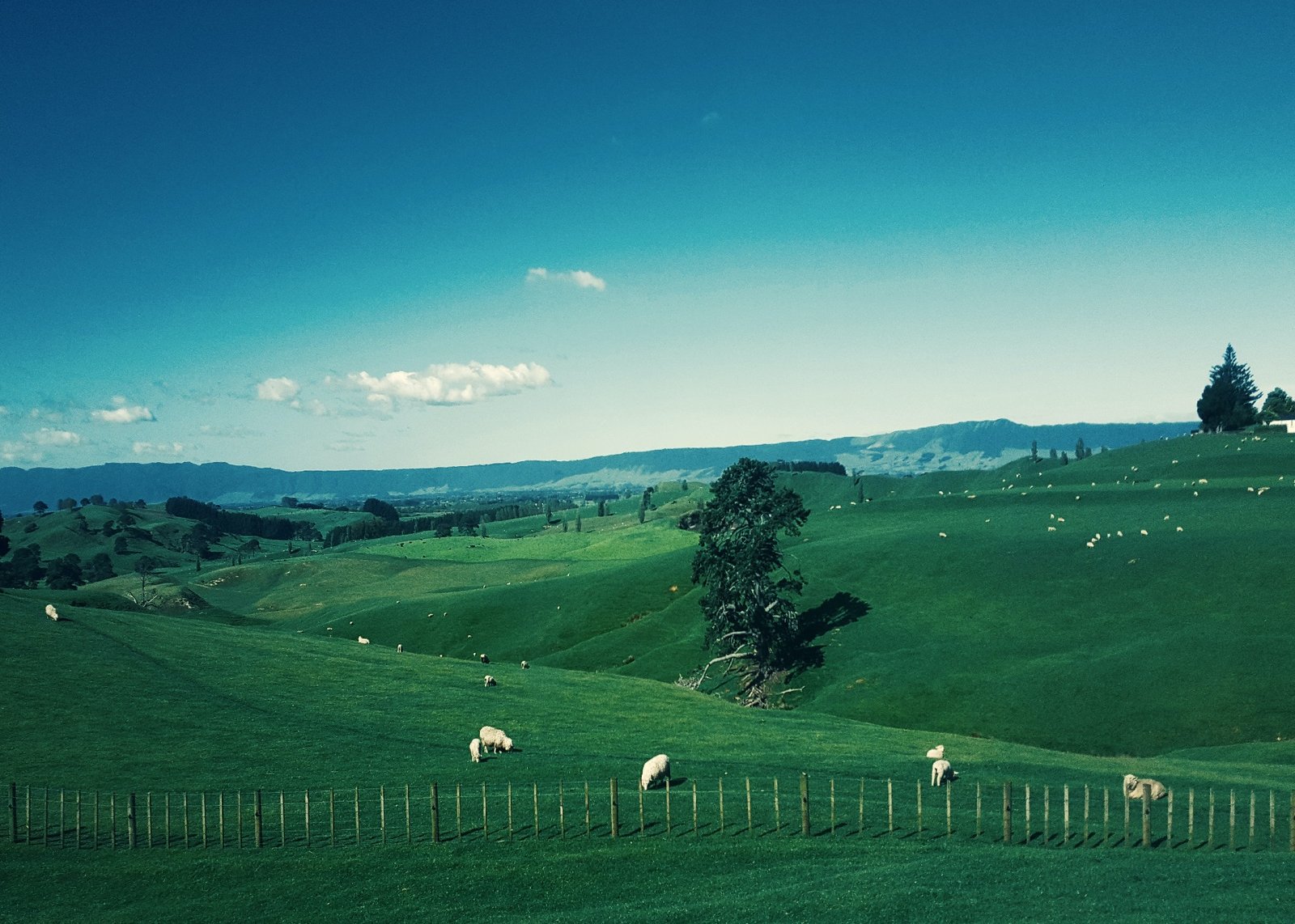
Introduction: New Zealand's commitment to sustainability is well-known, and its agriculture sector is no exception. With a strong focus on preserving the environment and ensuring the long-term viability of the industry, New Zealand has emerged as a global leader in sustainable agriculture practices. In this blog post, we will explore how New Zealand is revolutionizing the way food is grown and produced, showcasing its efforts towards building a greener future. 1. Organic Farming: One of the key components of sustainable agriculture in New Zealand is the growing trend of organic farming. Organic farmers prioritize the use of natural fertilizers, avoid synthetic pesticides, and practice crop rotation to enhance soil health and minimize environmental impact. This practice not only ensures the provision of chemical-free, nutritious produce but also encourages biodiversity and protects fragile ecosystems. 2. Pasture-based Dairy Farming: New Zealand's dairy industry has also embraced sustainable practices by adopting pasture-based farming methods. Unlike intensive, feedlot-style systems, New Zealand dairy cows graze on open pastures for the majority of the year. This approach not only improves animal welfare but also reduces greenhouse gas emissions associated with concentrated feeding systems. Pasture-based farming also limits soil erosion and protects water quality, contributing to the preservation of New Zealand's pristine natural landscapes. 3. Precision Agriculture: New Zealand farmers are harnessing the potential of modern technology to optimize their agricultural practices. Precision agriculture, involving the use of drones, sensors, and GPS technology, allows farmers to analyze crop health, soil moisture levels, and nutrient requirements accurately. By utilizing this information, farmers can apply fertilizers and pesticides precisely where needed, minimizing waste and reducing the overall environmental impact of their operations. 4. Water Management: Water scarcity is a global concern, and New Zealand is proactively addressing this issue through sustainable water management practices. Farmers are encouraged to adopt irrigation systems that ensure efficient water use, such as drip irrigation and precision sprinklers. Additionally, the implementation of water monitoring and filtration systems help prevent harmful nutrients and contaminants from entering waterways, preserving the country's freshwater ecosystems. 5. Research and Innovation: New Zealand's commitment to sustainable agriculture is further highlighted by its investment in research and innovation. The country's leading scientific institutions and universities collaborate with farmers and industry experts to develop innovative solutions for the agriculture sector. From novel crop varieties that are disease-resistant to tools for reducing emissions, these advancements contribute to the continuous improvement of sustainable farming practices in the country. Conclusion: New Zealand's dedication to sustainable agriculture is evident in its organic farming methods, pasture-based dairy production, precision agriculture techniques, water management strategies, and research initiatives. By prioritizing the preservation of the environment and investing in innovative solutions, New Zealand sets an inspiring example for the rest of the world. As consumers increasingly demand ethical and sustainable food options, New Zealand's commitment to greener farming practices positions it as a frontrunner in the global movement towards a more sustainable future. to Get more information at http://www.xfarming.com


