Ensuring Sustainability and Reducing Environmental Impact: The Meat Industry in New Zealand
Category : |
Sub Category : Posted on 2023-10-30 21:24:53
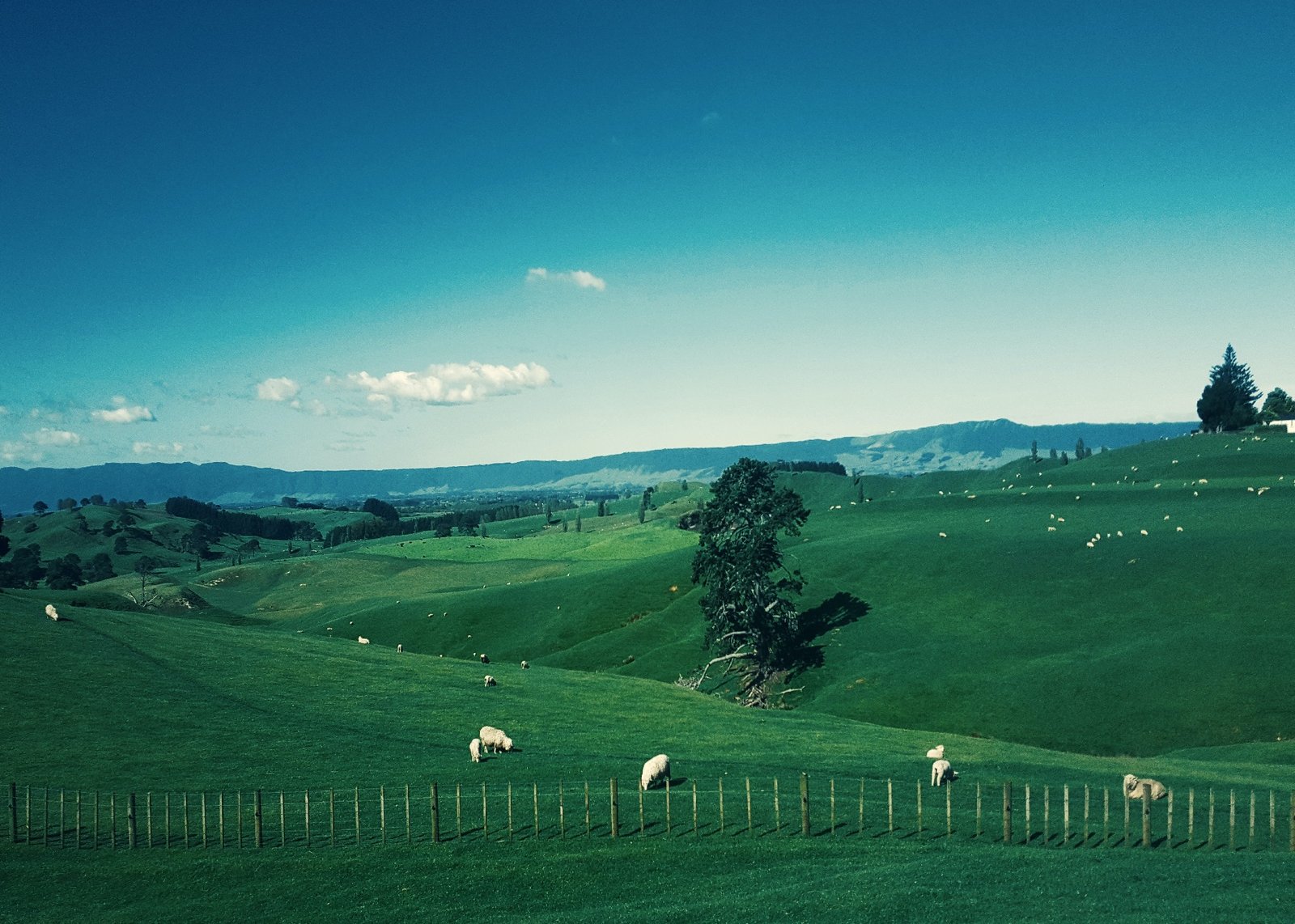
Introduction New Zealand is renowned for its high-quality meat products, being a key player in the global meat industry. As the demand for meat continues to rise globally, it becomes crucial for the industry to address sustainability and environmental concerns. In this blog post, we will explore the sustainable practices adopted by the New Zealand meat industry to minimize its impact on the environment. From farming techniques to transportation methods, let's delve into how the industry is striving to strike a balance between meeting the demand for meat and preserving the environment. 1. Pasture-Based Livestock Farming One of the factors that sets New Zealand apart from other meat-producing nations is its extensive pasture-based livestock farming. The majority of the country's farms are grass-fed systems, providing animals with access to open pasture. This practice reduces the need for land-intensive feed crops and decreases the environmental footprint associated with deforestation and excessive water usage. 2. Low Carbon Footprint New Zealand prides itself on its low carbon footprint in the meat industry. The use of renewable energy sources, such as wind, hydroelectric, and geothermal power, significantly reduces the environmental impact of meat production. Furthermore, efforts are being made to improve energy efficiency and explore alternative forms of energy to further reduce emissions. 3. Biodiversity Conservation Protecting New Zealand's unique biodiversity is at the forefront of sustainable meat production. Farmers work in collaboration with environmental organizations to preserve native ecosystems and promote biodiversity on their land. This includes planting trees, fencing off waterways, and implementing conservation practices to ensure a positive balance between animal agriculture and environmental protection. 4. Water Conservation and Management Water is a precious resource, and New Zealand recognizes the importance of water conservation in the meat industry. Farmers adhere to strict regulations regarding water usage, ensuring responsible irrigation practices and minimizing water contamination from animal waste. Additionally, ongoing research and innovation aim to improve water management techniques, further reducing the industry's impact on freshwater systems. 5. Sustainable Transportation and Packaging The New Zealand meat industry is actively seeking sustainable solutions for transportation and packaging. Efforts are being made to optimize supply chains, reduce unnecessary transportation, and explore alternative modes of transportation such as rail and coastal shipping. Additionally, there is a growing focus on eco-friendly packaging materials to minimize waste and promote recycling. Moving Forward: Continuous Improvement While New Zealand's meat industry has made significant strides in sustainability and reducing environmental impact, there is always room for improvement. Initiatives like the New Zealand Red Meat Story and commitments to wider sustainability programs highlight the industry's dedication to continuous improvement. To ensure a sustainable future for the meat industry, ongoing research, collaboration among stakeholders, and consumer education will play vital roles. Supporting local farmers and choosing products that meet high sustainability standards can also make a substantial difference. Conclusion The New Zealand meat industry acknowledges the need for sustainability and environmental responsibility. By embracing pasture-based farming, focusing on low carbon footprint, prioritizing biodiversity conservation, implementing water management systems, and seeking sustainable transportation and packaging options, the industry is actively reducing its environmental impact. As consumers, we have the power to support and encourage sustainable practices by making informed choices. By opting for meat from New Zealand, we not only enjoy high-quality products but also contribute to a sustainable future for the environment and the meat industry as a whole. More about this subject in http://www.meatmob.com


