New Zealand and Kazakhstan: Exploring Cultural Diversity
Category : |
Sub Category : Posted on 2024-10-05 22:25:23
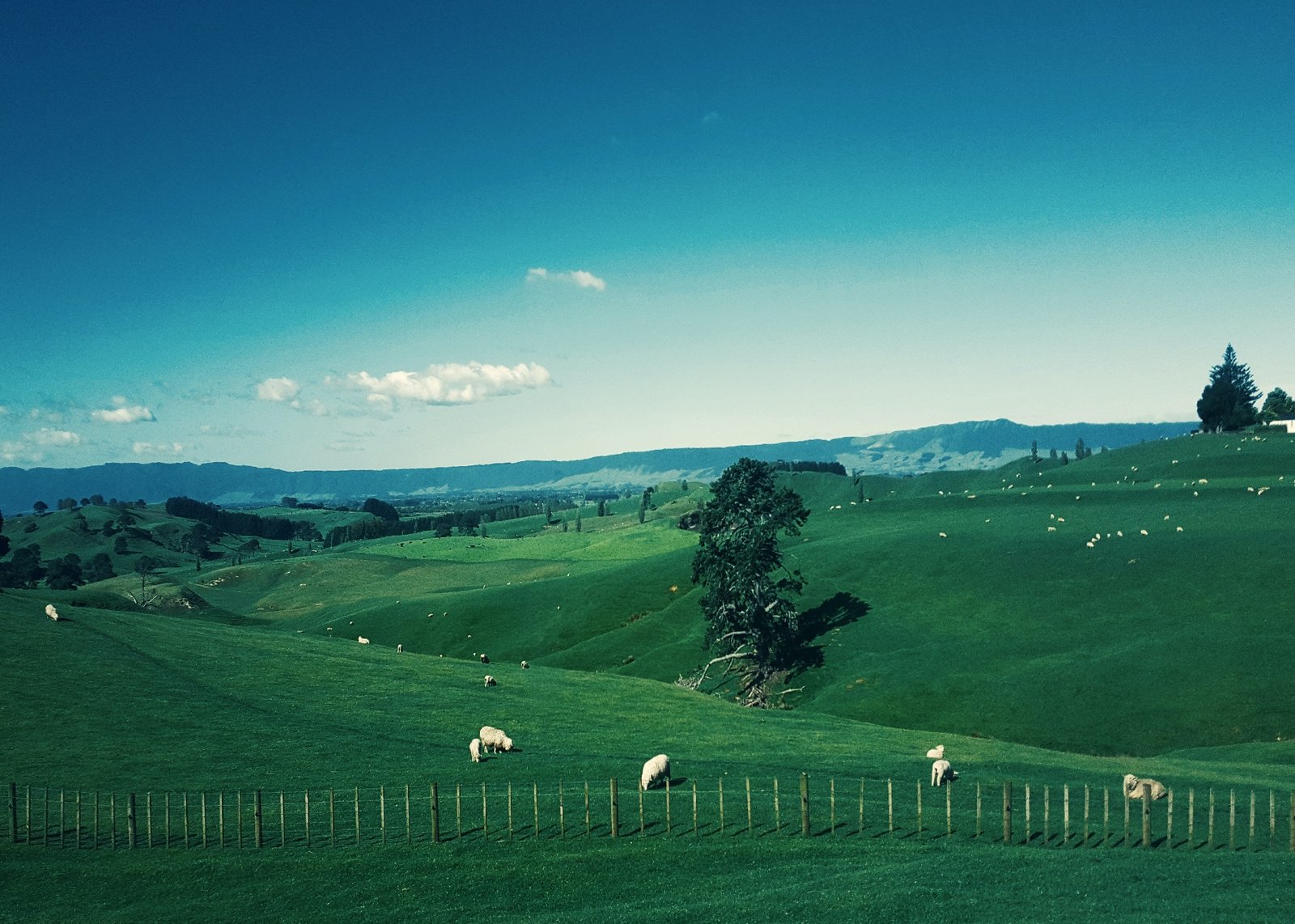
New Zealand and Kazakhstan are two countries located on opposite sides of the world, each renowned for their unique cultures and traditions. While they may seem worlds apart geographically, both nations share a rich history of cultural diversity that shapes their societies in fascinating ways. New Zealand, known for its stunning natural landscapes and friendly locals, is a melting pot of cultures. The indigenous Māori people have a significant influence on New Zealand's identity, from language and art to customs and spirituality. European settlers, mainly from the United Kingdom, also play a vital role in shaping modern Kiwi culture. In recent years, waves of immigration from Asia and the Pacific Islands have further enriched New Zealand's cultural tapestry, resulting in a vibrant and diverse society. Kazakhstan, on the other hand, is the largest landlocked country in the world, known for its vast steppes and nomadic traditions. With a history that dates back to ancient times, Kazakhstan's cultural heritage is a blend of Turkic, Persian, and Russian influences. The nomadic lifestyle of the Kazakh people, characterized by horse riding and traditional yurts, is a source of pride and a symbol of the country's unique identity. In addition, Kazakhstan's diverse population includes ethnic groups such as Russians, Uzbeks, and Ukrainians, adding to the country's cultural richness. Despite their differences, New Zealand and Kazakhstan share a commitment to preserving their cultural heritage while embracing diversity. In New Zealand, initiatives like the Māori Language Week and ethnic festivals celebrate the country's multiculturalism and foster understanding among different communities. Similarly, Kazakhstan showcases its cultural diversity through events like the Nauryz festival, which highlights the traditions of various ethnic groups living in the country. Both countries also value education as a way to promote cultural understanding and tolerance. New Zealand's school curriculum includes teachings on Māori culture and history, while Kazakhstan emphasizes the importance of preserving its nomadic heritage through educational programs and initiatives. In conclusion, New Zealand and Kazakhstan may be separated by thousands of miles, but they are united in their commitment to celebrating cultural diversity and promoting harmony among different communities. By embracing their unique traditions and welcoming people from all walks of life, these countries exemplify the beauty of cultural exchange and understanding in our interconnected world.
https://tokazakhstan.com


