Unveiling the Truth in News: A Comparative Analysis of News Reporting in New Zealand and Istanbul, Turkey
Category : |
Sub Category : Posted on 2024-10-05 22:25:23
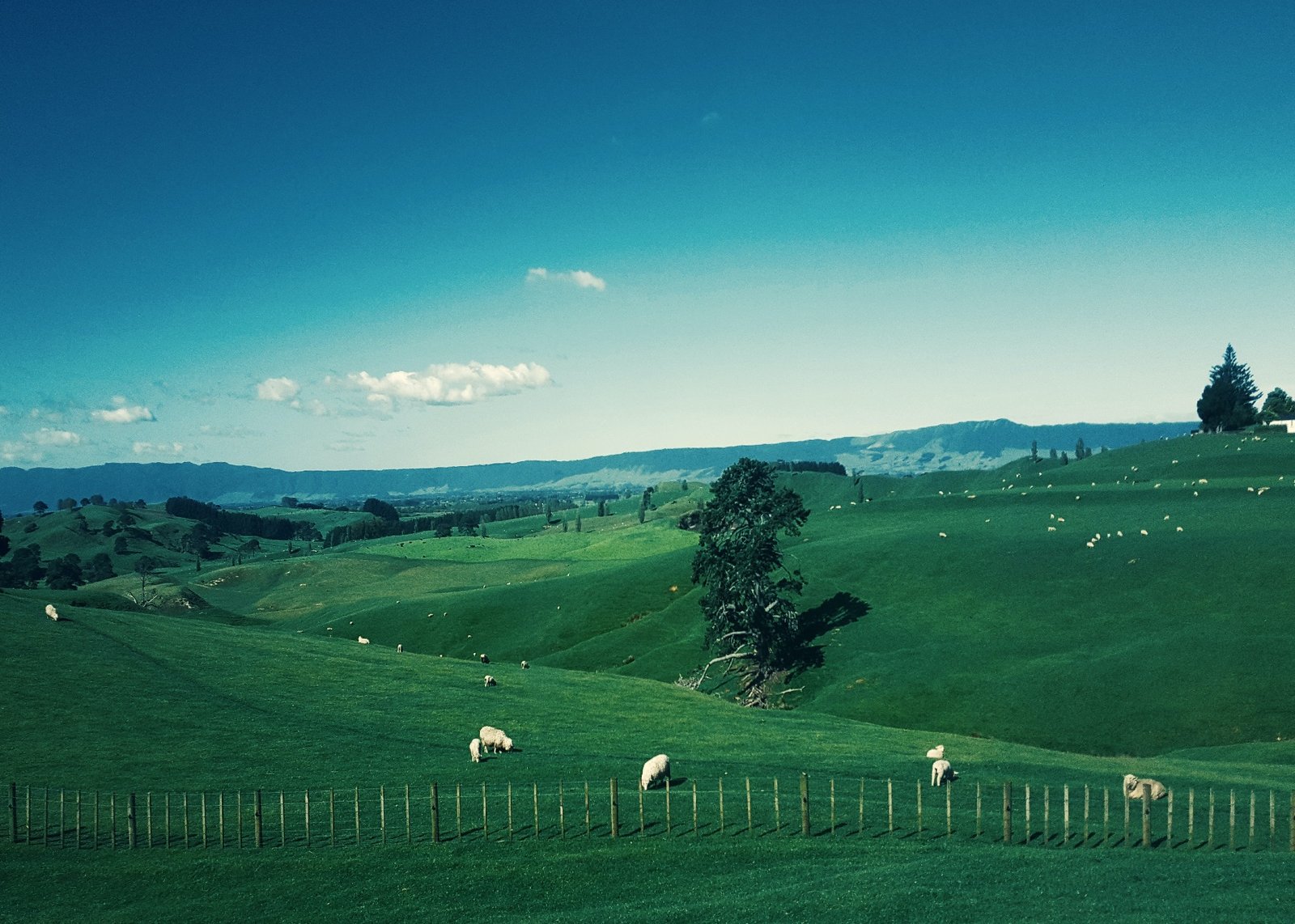
In today's fast-paced digital age, the way news is reported and consumed plays a critical role in shaping our perceptions of the world around us. From New Zealand to Istanbul, Turkey, the media landscape varies significantly, influencing the way events are portrayed and understood by the public. In this blog post, we will delve into the similarities and differences in news reporting in these two distinct locations to uncover the truth behind the headlines. New Zealand, known for its stunning landscapes and pristine environment, has a strong tradition of independent and high-quality journalism. The country boasts a free and diverse media ecosystem, with outlets such as Radio New Zealand, The New Zealand Herald, and Stuff dominating the news market. Journalists in New Zealand adhere to high ethical standards, ensuring a balanced and objective reporting of events. On the other hand, Istanbul, Turkey, a bustling metropolis that straddles Europe and Asia, has a more complex media landscape marked by a mix of state-controlled and independent media outlets. While there are reputable news organizations in Turkey, such as Hurriyet and Milliyet, the government's increasing control over the media has raised concerns about press freedom and independent journalism in the country. One of the key differences between news reporting in New Zealand and Istanbul is the level of press freedom and government interference. In New Zealand, press freedom is enshrined in the law and journalists are free to report without fear of censorship or repercussions. Conversely, media freedom in Turkey has been gradually eroded in recent years, with journalists facing intimidation, harassment, and even imprisonment for reporting on sensitive issues. Another contrast lies in the way news is framed and presented to the public. In New Zealand, the media strive to provide a comprehensive and nuanced coverage of events, often incorporating diverse perspectives and voices to offer a well-rounded view of the news. In contrast, news reporting in Istanbul can be skewed or biased, depending on the political leanings of the media outlet, leading to a fragmented and polarized media landscape. Despite these differences, both New Zealand and Istanbul share a common challenge in combating misinformation and fake news. In an era where misinformation can spread rapidly through social media and online platforms, ensuring the accuracy and reliability of news reporting is more important than ever. In conclusion, understanding the nuances of news reporting in different parts of the world, such as New Zealand and Istanbul, is essential to unraveling the truth behind the headlines. By being critical consumers of news and supporting independent journalism, we can contribute to a more informed and empowered society where the truth prevails.


