The Rich Wildlife and Conservation Efforts of Japan and New Zealand
Category : |
Sub Category : Posted on 2023-10-30 21:24:53
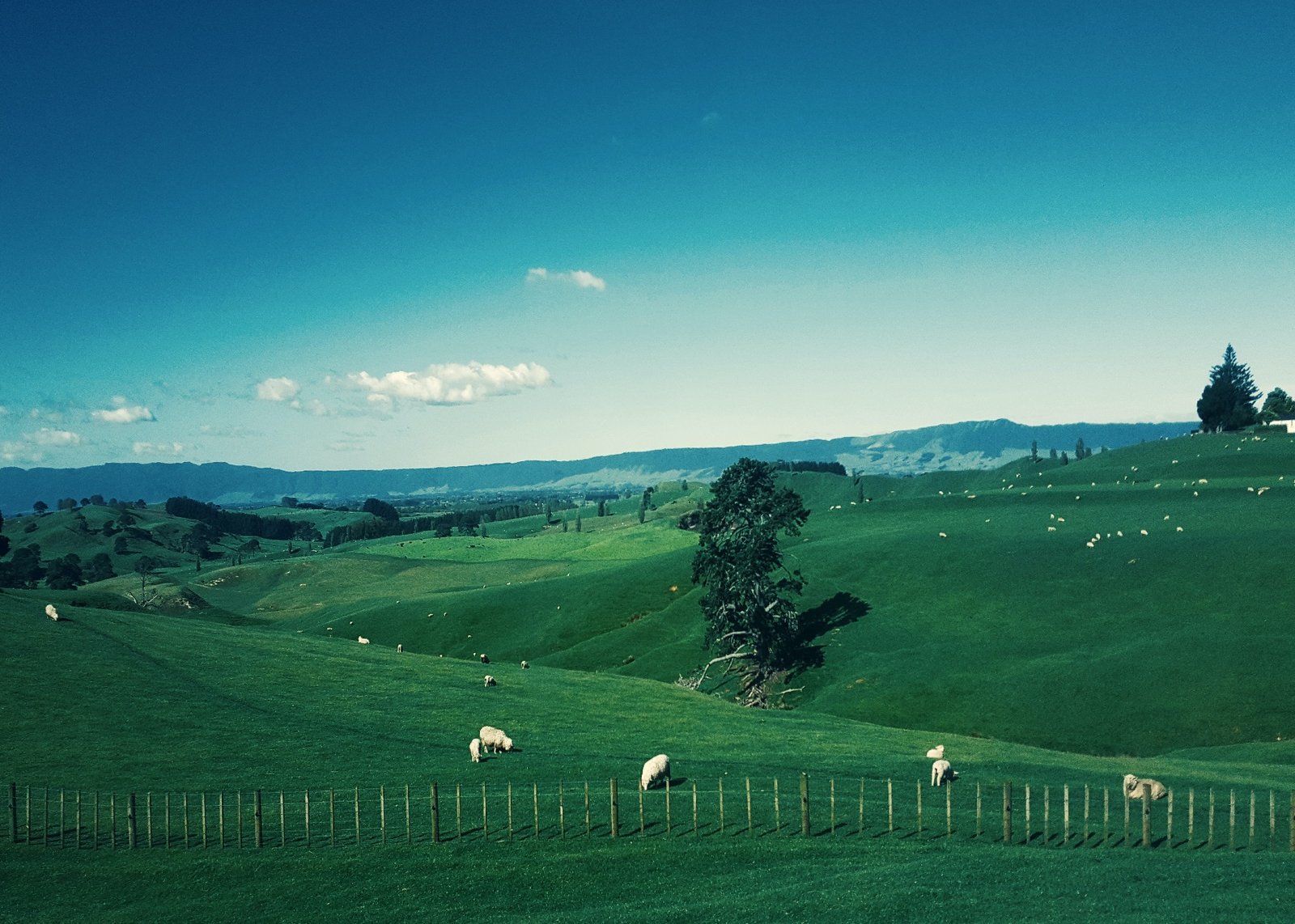
Introduction: Japan and New Zealand, two countries renowned for their unique cultures and breathtaking landscapes, also boast diverse wildlife and a strong commitment to conservation. From the snowy mountains of Hokkaido to the lush rainforests of New Zealand's South Island, these nations are home to an array of iconic animal species and dedicated conservation efforts. In this blog post, we will delve into the fascinating wildlife and commendable conservation initiatives in both Japan and New Zealand. Japan's Wildlife: Despite being densely populated, Japan is home to an astonishing diversity of wildlife. The country boasts a remarkable range of terrestrial and marine species. In the mountainous regions of Honshu and Hokkaido, visitors can spot wildlife such as brown bears, Japanese macaques (known as snow monkeys), and the elusive Japanese serow, a goat-like antelope. Japan's coastal waters are equally captivating, offering a chance to witness majestic creatures such as whales, dolphins, and sea turtles. The Ogasawara Islands, a UNESCO World Heritage Site, are particularly renowned for their rich marine biodiversity. Conservation Efforts in Japan: Recognizing the importance of preserving its natural treasures, Japan has established numerous national parks and nature reserves throughout the country. These protected areas serve as havens for endangered species and contribute to the overall conservation landscape. One notable example is the Shiretoko National Park in northeastern Hokkaido, known for its untouched forests and vital habitats for brown bears and salmon spawning. Additionally, Japan has made significant efforts to promote sustainable fishing practices and protect marine ecosystems, such as implementing restrictions on whaling. New Zealand's Wildlife: New Zealand, with its isolated location, offers a haven for unique and endemic wildlife. The country is famous for its flightless birds, including the iconic kiwi, which has become a symbol of New Zealand's preservation efforts. Visitors to the country can also encounter the playful Hector's dolphin, the rare yellow-eyed penguin, and the comical alpine parrot, the kea. New Zealand's marine life is equally spectacular, with opportunities to swim alongside seals, spot whales in the Kaikoura region, and explore impressive marine reserves. Conservation Efforts in New Zealand: New Zealand has long been a global leader in wildlife conservation, aiming to restore and protect its fragile ecosystems. The country has established an extensive network of national parks, including Fiordland National Park and Abel Tasman National Park, which offer vital habitats for native species. The Department of Conservation (DOC) plays a crucial role in managing these protected areas and implementing conservation strategies. In recent years, there has also been a focus on eradicating invasive species to protect native flora and fauna, such as the successful removal of stoats from the Zealandia sanctuary in Wellington. Conclusion: Both Japan and New Zealand are blessed with stunning landscapes and a remarkable array of wildlife, which have become the focus of conservation efforts in each country. Whether it's the ancient forests of Japan or the picturesque fiords of New Zealand, these nations are striving to protect and preserve their natural heritage for future generations. By supporting sustainable practices and raising awareness about the importance of conservation, we can ensure the continued survival of these unique ecosystems and their incredible inhabitants. For expert commentary, delve into http://www.takishi.com


