"DIY Drones in New Zealand: Exploring Access Control for Safe and Legal Flying"
Category : |
Sub Category : Posted on 2024-10-05 22:25:23
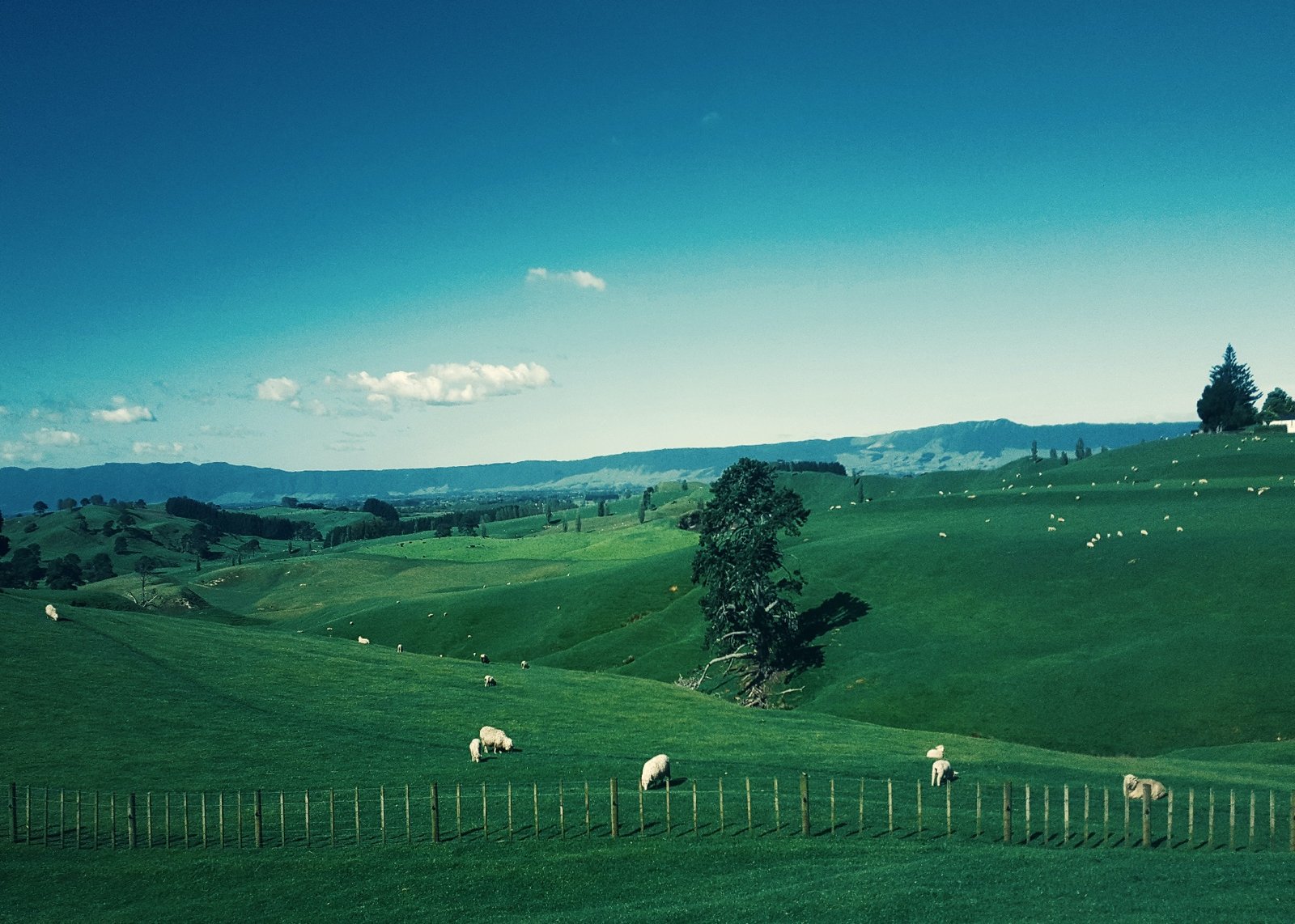
New Zealand's stunning landscapes and thriving tech community make it an ideal playground for drone enthusiasts. DIY drones, in particular, have become increasingly popular among hobbyists and professionals alike. However, as the drone population grows, so do concerns regarding privacy, safety, and regulatory compliance. Access control plays a crucial role in ensuring that drone operations in New Zealand are conducted responsibly and legally. Access control for DIY drones involves implementing measures to manage where and when drones can fly, as well as who can operate them. In New Zealand, the Civil Aviation Authority (CAA) regulates the use of drones through the Part 101 rule. This rule encompasses various aspects of drone operation, including airspace restrictions, safety guidelines, and privacy considerations. When it comes to accessing restricted airspace in New Zealand, DIY drone pilots must obtain necessary permissions or authorizations from the CAA. Certain areas, such as airports, military facilities, and national parks, have strict no-fly zones to safeguard public safety and national security. Pilots need to be aware of these restrictions and plan their flights accordingly to avoid penalties or accidents. Another aspect of access control is ensuring that drone operators are knowledgeable about aviation rules and guidelines. The CAA offers resources and training programs to educate pilots on safe flying practices, emergency procedures, and legal requirements. By arming themselves with the right information, DIY drone enthusiasts can navigate the skies with confidence and responsibility. In addition to regulatory compliance, access control for DIY drones in New Zealand also involves respecting the privacy of individuals and property. Pilots should avoid flying over private residences, schools, or crowded events without permission. By exercising caution and common sense, drone operators can help build trust within the community and prevent incidents of intrusion or misuse. Technology also plays a role in access control for DIY drones. Advanced features such as geofencing and altitude limits can help prevent drones from entering restricted areas or flying too high. Additionally, remote identification systems enable authorities to track drones and identify their operators in case of emergencies or violations. In conclusion, access control is essential for ensuring the safe and legal operation of DIY drones in New Zealand. By following regulations, respecting privacy, and leveraging technology, drone enthusiasts can enjoy flying their creations while upholding the highest standards of professionalism and responsibility. As the drone industry continues to evolve, a community-driven approach to access control will be key to fostering a harmonious relationship between drones, society, and the environment. For a detailed analysis, explore: https://www.svop.org For more information: https://www.mimidate.com Looking for more information? Check out https://www.tknl.org


