Cyprus and New Zealand: A Comparison of Wildlife and Conservation Efforts
Category : |
Sub Category : Posted on 2023-10-30 21:24:53
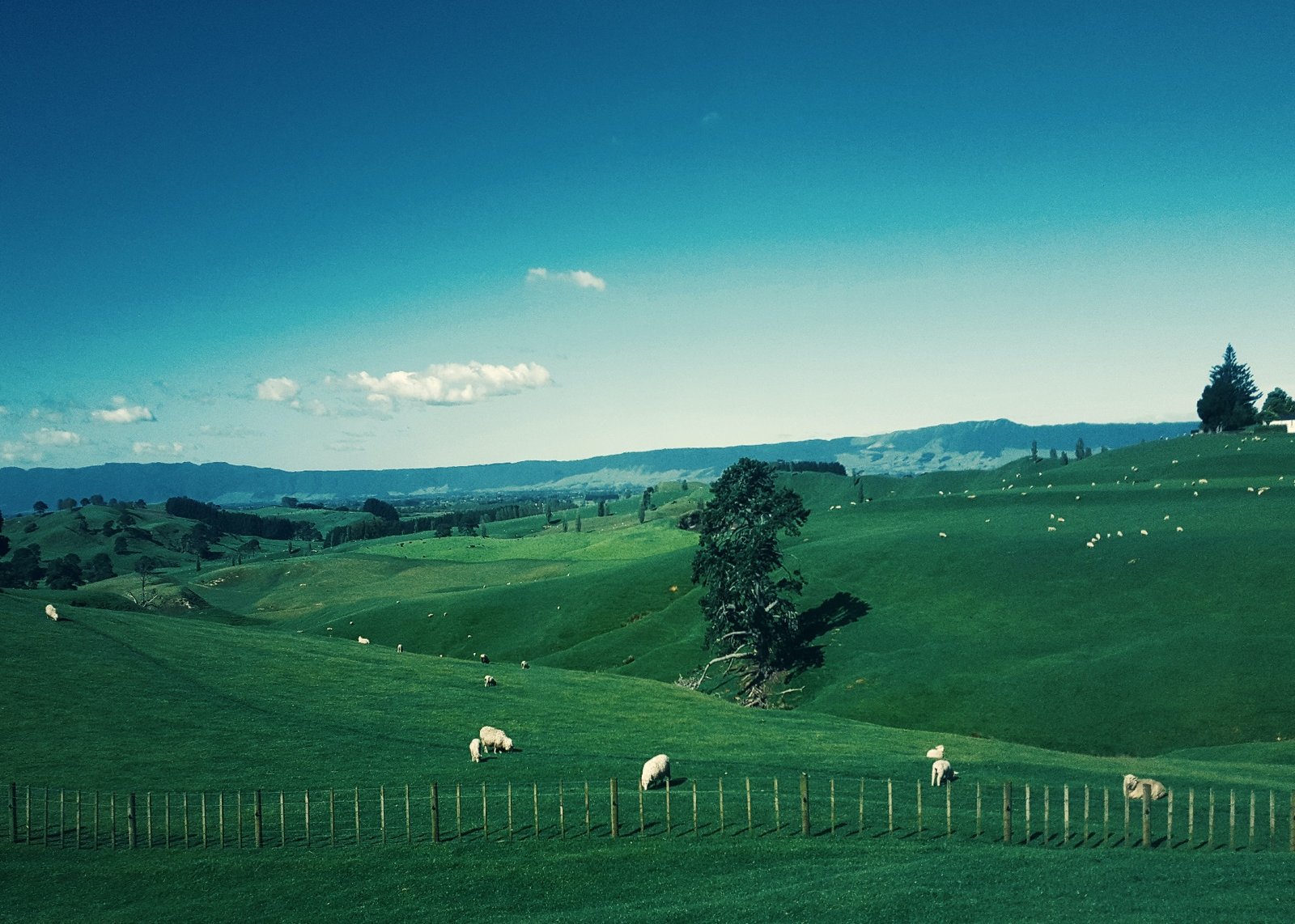
Cyprus and New Zealand are two countries known for their stunning natural landscapes and diverse wildlife. While they may be located on opposite sides of the globe, both nations share a deep commitment to conservation and the preservation of their unique ecosystems. In this blog post, we will explore the similarities and differences in wildlife and conservation efforts between Cyprus and New Zealand. New Zealand, often hailed as the "land of birds," is renowned for its rich biodiversity and unique wildlife. The country is home to a wide range of endemic species, including the kiwi bird, the kea parrot, and the tuatara lizard. These iconic creatures have become symbols of New Zealand's commitment to conservation. One of the key factors contributing to New Zealand's successful conservation efforts is its isolation. Being geographically isolated has protected the country's flora and fauna from many of the threats that have affected other parts of the world. This isolation has allowed New Zealand to develop its own distinct species and ecosystems that are found nowhere else on Earth. The New Zealand government has also played a crucial role in conservation efforts. Numerous national parks and reserves have been established throughout the country, providing protected habitats for wildlife. Additionally, strict regulations and controls on hunting and fishing have been put in place to ensure the preservation of native species. Cyprus, on the other hand, boasts a unique blend of Mediterranean and Middle Eastern ecosystems, making it a hotspot for biodiversity. With its varied landscapes, including coastal areas, forests, and mountains, Cyprus is home to a range of species, including the mouflon (a wild sheep), the Cyprus warbler, and the loggerhead sea turtle. Although Cyprus faces different conservation challenges compared to New Zealand, such as habitat destruction and illegal hunting, there are significant efforts being made to protect its wildlife. The Cypriot government has implemented various measures to conserve the country's natural resources, including the creation of national parks, logging restrictions, and the establishment of protected areas for migratory bird species. Both Cyprus and New Zealand recognize the importance of public involvement in conservation efforts. Non-governmental organizations (NGOs), local communities, and volunteers play a crucial role in wildlife conservation initiatives. These groups work tirelessly to raise awareness, conduct research, and implement strategies for the protection of endangered species and their habitats. Furthermore, education and research are integral components of wildlife and conservation efforts in both countries. Educational programs are designed to promote environmental awareness and teach communities about the importance of preserving natural resources. Universities and research institutions actively conduct studies to further our understanding of biodiversity, ecosystem dynamics, and the impact of human activities on wildlife. In conclusion, while Cyprus and New Zealand may be thousands of kilometers apart, they share a common goal of protecting their unique wildlife and preserving their natural environments. The efforts made in both countries serve as inspiring examples of conservation practices that can be implemented globally. By learning from each other's successes and challenges, we can work towards ensuring a sustainable future for our planet's precious biodiversity. Looking for more information? Check out http://www.cyprusinsider.com


