New Zealand and Sweden: Exploring Two Unique Cultures
Category : |
Sub Category : Posted on 2024-10-05 22:25:23
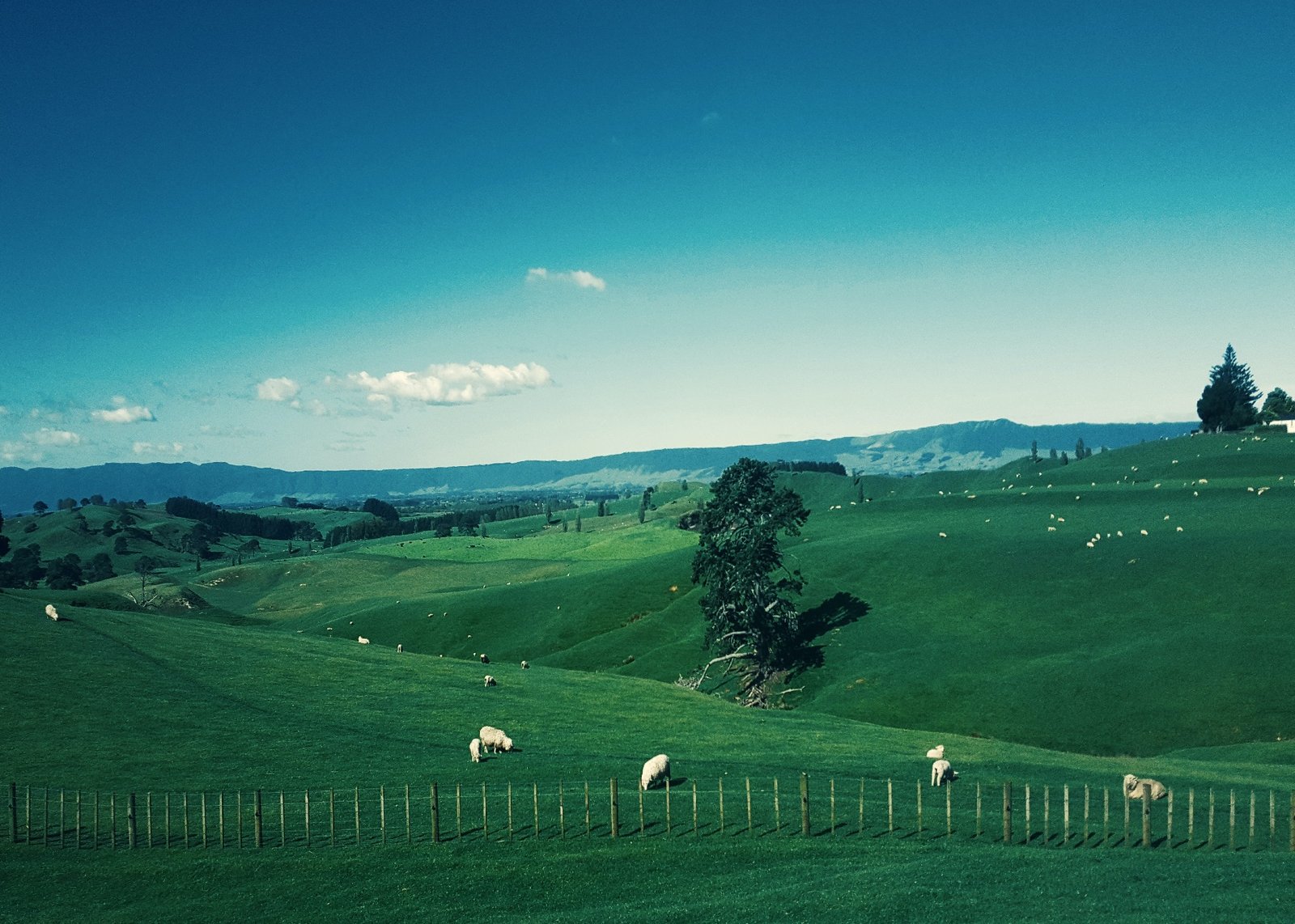
New Zealand and Sweden are two countries that may seem worlds apart in terms of geography, climate, and size, but they share fascinating cultural similarities and differences that make them both intriguing destinations to explore. New Zealand, located in the South Pacific Ocean, is known for its stunning natural beauty, including rugged coastlines, lush forests, and majestic mountains. As a nation with a strong connection to the land, New Zealand's indigenous Maori culture plays a significant role in shaping the country's identity. Traditional Maori customs, such as haka performances and the sharing of stories through oral traditions, are deeply ingrained in modern New Zealand society. In contrast, Sweden, situated in Northern Europe, boasts a rich history and a reputation for innovation and design. Known for its picturesque landscapes, from the archipelagos of Stockholm to the northern lights in Lapland, Sweden is a country that values simplicity, sustainability, and equality. Swedish culture places a high emphasis on work-life balance, with the concept of fika—a daily coffee break to socialize with colleagues—being a cherished tradition. When it comes to cuisine, both New Zealand and Sweden offer unique culinary experiences. In New Zealand, traditional dishes such as hangi (a Maori feast cooked in an earth oven) and pavlova (a meringue-based dessert) showcase the country's diverse influences, including Maori, European, and Pacific Islander cuisines. In Sweden, classic dishes like meatballs served with lingonberry sauce and herring prepared in various ways reflect the country's emphasis on fresh, local ingredients and preserving culinary traditions. In terms of customs and traditions, both countries have their own unique celebrations and rituals. For example, New Zealanders celebrate Waitangi Day on February 6th to commemorate the signing of the Treaty of Waitangi, a significant milestone in the nation's history. In Sweden, Midsummer's Eve is a major holiday where people gather to dance around the maypole, eat traditional foods, and enjoy the long summer days. Despite their geographical distance, New Zealand and Sweden share a commitment to environmental conservation and sustainability. Both countries have implemented policies to protect their natural resources, promote renewable energy, and combat climate change. In conclusion, exploring the cultures of New Zealand and Sweden can offer valuable insights into the ways in which geography, history, and traditions shape a society. Whether immersing yourself in Maori customs in New Zealand or savoring Swedish cinnamon buns in a cozy cafe, both countries offer a wealth of experiences that highlight the diversity and richness of human culture.


