The Impact of Cow Grazing on New Zealand Ecosystems
Category : |
Sub Category : Posted on 2024-10-05 22:25:23
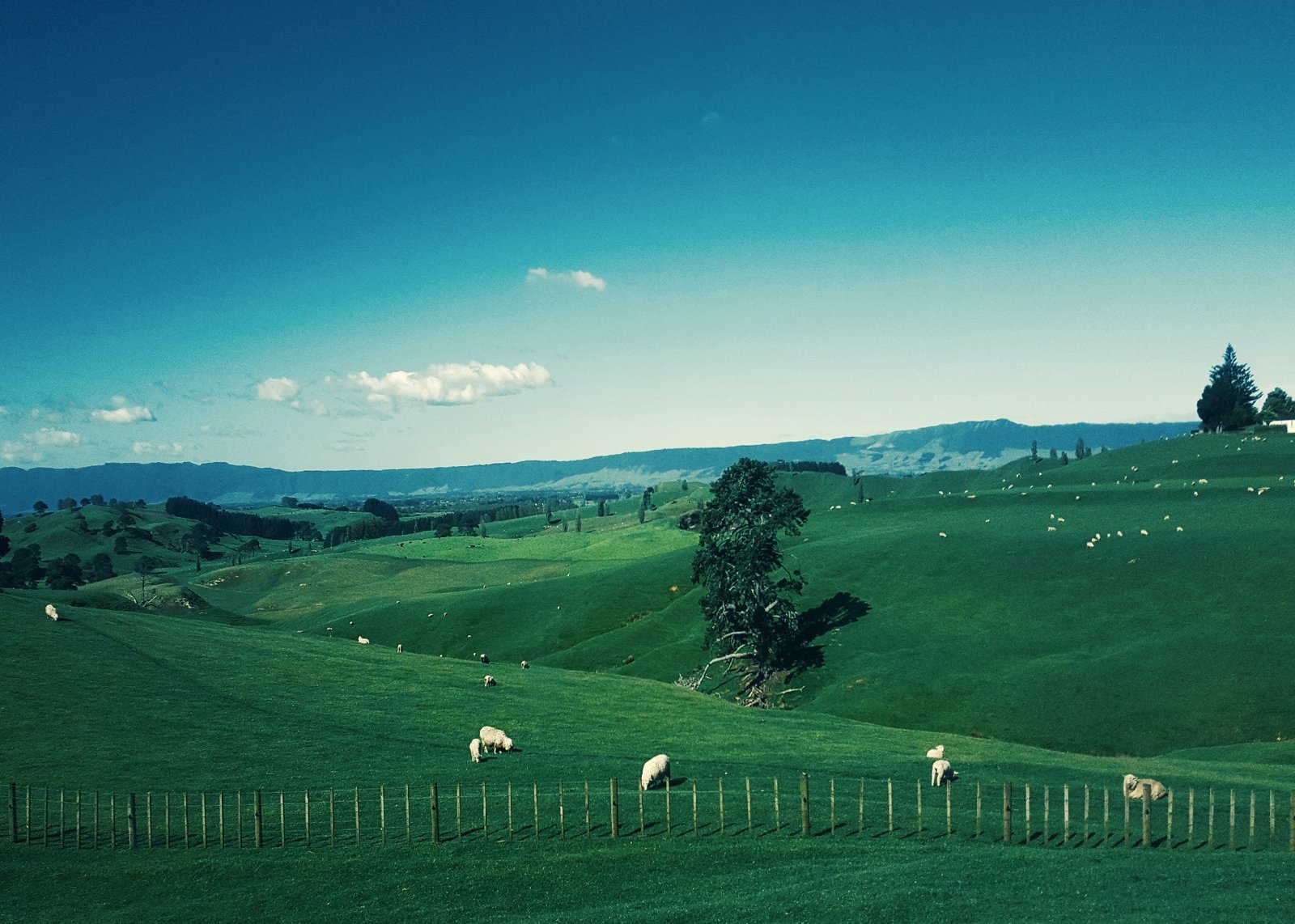
New Zealand, known for its stunning landscapes and lush greenery, is home to a large population of cows. These bovine creatures play a significant role in the country's economy, particularly in the dairy industry. However, the impact of cow grazing on New Zealand's ecosystems is a topic of growing concern among environmentalists and policymakers. Cows, while essential for dairy production, can have detrimental effects on the environment. One of the major issues associated with cow grazing is water pollution. The runoff from cow pastures, which contains feces and chemicals from fertilizers, can contaminate water sources such as rivers and lakes. This pollution not only poses a threat to aquatic life but also affects the quality of drinking water for both humans and wildlife. In addition to water pollution, cow grazing can also lead to soil degradation. The constant trampling of the land by cows can compact the soil, reducing its ability to absorb water and nutrients. This, in turn, can impact the growth of native vegetation and exacerbate erosion. Furthermore, the methane emissions from cows contribute to greenhouse gas levels in the atmosphere, contributing to climate change. New Zealand has set ambitious targets to reduce its greenhouse gas emissions, and the agriculture sector, including cow grazing, plays a significant role in achieving these goals. To address these environmental concerns, sustainable farming practices are being promoted in New Zealand. These practices include rotational grazing, where cows are moved frequently to allow the land to recover, as well as planting riparian buffer zones along waterways to prevent pollution. Additionally, initiatives to reduce methane emissions through improved cow diets and waste management are being implemented. As consumers become more conscious of the environmental impact of their food choices, there is a growing demand for sustainable and ethically produced dairy products. Farmers in New Zealand are increasingly adopting practices that prioritize environmental stewardship while maintaining productivity. In conclusion, while cows are an integral part of New Zealand's agricultural landscape, their grazing activities pose challenges to the country's ecosystems. By adopting sustainable farming practices and implementing environmental conservation measures, stakeholders can mitigate the negative impacts of cow grazing and ensure a harmonious coexistence between agriculture and the environment.


